
Best Payout Pokies New Zealand
Pokies have been a Kiwi pastime for decades, but how do gamers know which pokies are better? Knowing a pokie’s RTP is an excellent advantage for any avid gambler playing at an online casino; however, understanding what RTP is and which level is better can be hard. For players who also want instant access to winnings, check out our Fastest Payout Casinos in New Zealand guide featuring sites with verified 24-hour withdrawal speeds.
What Are High Payout Pokies
When it comes to high casino payouts, high payout pokies stand out, especially in the realm of online pokies, for their potential to offer players better odds and returns. To understand what sets these games apart, it’s essential to examine key elements such as RTP, volatility, hit rate, and the maximum win multiplier. These factors collectively define the gaming experience and the potential rewards awaiting players at the reels.
To understand how volatility impacts your odds and returns, read our expert breakdown on Volatility in Pokies NZ.
Top Highest Payout Pokies NZ Casinos (March 2026)
|
#1
 |
Jackpot City NZ Casino
View More
|
500+
Total Pokies
|
NZ$ 1,600+10 Free Spins on Selected pokies
|
Play Now
    8+ Payment Methods
|
|
|
#2
 |
Lucky Spins Casino Review
View More
|
5000+
Total Pokies
|
NZ$ 500+500 Free Spins on Big Bass Amazon extreme
|
4.7
Read Review
|
Play Now
  4+ Payment Methods
|
|
#3
 |
Spin Casino
View More
|
500+
Total Pokies
|
NZ$ 1,000+10 Free Spins on selected games
|
4.9
Read Review
|
Play Now
 8+ Payment Methods
|
|
#4
 |
SkyCity
View More
|
2000+
Total Pokies
|
NZ$ 1,000+1000 Free Spins on selected pokies
|
4.9
Read Review
|
Play Now
 4+ Payment Methods
|
|
#5
 |
Casumo Casino
View More
|
4200+
Total Pokies
|
NZ$ 1,500+150 Free Spins on Selected pokies
|
4.7
Read Review
|
Play Now
4+ Payment Methods
|


You can compare these sites with our comprehensive Online Casinos NZ list, featuring trusted casinos reviewed for payout speed, RTP, and player safety.
Why should you choose high-payout Pokies?
- Better Chances to Win: Higher RTP means better odds of winning. You’re more likely to see returns on your bets, which is always a plus.
- More Value for Money: These games tend to make your money last longer. More wins mean you can play for extended periods without burning through your budget too quickly.
- Smaller House Edge: They give the house a smaller advantage over you. That’s always a good thing, right?
- Longer Playtime: With more frequent wins, you can enjoy longer gaming sessions. It keeps things exciting and helps you get more bang for your buck.
- Maximising Returns: Think of it as a smarter investment. Choosing higher RTP games may result in better returns than lower RTP ones.
Boost your chances even more by taking advantage of the best Free Spins Bonuses NZ available at licensed casinos.
| Pokie Title | RTP | Max. Win Ever | Win Multiplier | Developer | Where to Play (for Kiwis) |
|---|---|---|---|---|---|
| Mega Joker | 99% | NZ$20,000 | 2,000x | Netent | 7Bit Casino |
| 1429 Uncharted Seas | 98.6% | NZ$5,000 | 6,700x | Thunderkick | Rocket Riches Casino |
| Blood Suckers | 98% | NZ$8,709 | 1,014x | Netent | Casumo Casino |
| Money Cart 2 | 98% | NZ$8,330 | 5,000x | Relax Gaming | Wildz Casino |
| Mega Moolah | 96.9% | NZ$33,262,510 | 15,000x | Microgaming | Jackpot City Casino |
| Immortal Romance | 96.9% | NZ$3,645,000 | 12,150x | Microgaming | PlayOJO Casino |
| Dead or Alive II | 96.82% | NZ$35,877 | 111,111.1x | Netent | SkyCity Casino |
| Thunderstruck II | 96.7% | NZ$121,500 | 8,100x | Microgaming | Spin Casino |
| Mighty Medusa | 96.6% | NZ$16,712 | 1,729x | Habanero | Joo Casino |
| Apollo Pays | 96.6% | NZ$15,285 | 116,030x | Big Time Gaming | TonyBet Casino |
Top 10 Best Payout Pokies
To assist in the time-consuming job of finding high payout pokies to play, we have outlined the top 10 best payout pokies for New Zealand gamers. We showcase their RTP, date of release, and where Kiwis can play them:

Mega Joker – 99% RTP
Max. Win Ever: NZ$20,000
Mega Joker is one of the most played pokies across the globe, especially for those residing in New Zealand! This title offers an impressive RTP of 99% and is the highest RTP pokie on the market. NetEnt released this pokie on the 1st of October in 2013 and caught the attention of gamers everywhere. So far, the max winnings to get is up to NZ$20,000, and Kiwis can currently play this amazing game at 7Bit Casino.
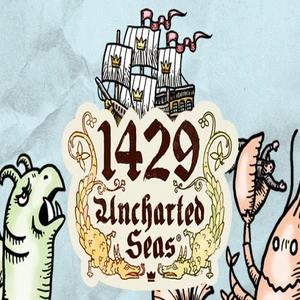
1429 Uncharted Seas – 98.6% RTP
Max. Win Ever: NZ$5,000
1429 Uncharted Seas, or more commonly known as Uncharted Seas, is a top-quality pokie by Thunderkick. This oceanic, pirate-themed title was released on the 15th of April in 2014 and boasts an RTP of 98.6%. Kiwis can enjoy this immersive title at Spinz Casino and potentially win up to NZ$5000!

Blood Suckers – 98% RTP
Max. Win Ever: NZ$8,709
NetEnt released Blood Suckers on the 9th of November in 2013, and it is one of the most popular pokies in the world! This pokie boasts an impressive RTP of 98%, a supernaturally thrilling vampire theme, and is classified as a low volatility title. Currently, the maximum winnings a player has received is NZ$8,709.46! Kiwis can play this impressive title at LeoVegas Casino.

Money Cart 2 – 98% RTP
Max. Win Ever: NZ$8,330
Money Cart 2 is an online pokie with a medium volatility status and a post-apocalyptic cowboy theme. This unique title was released by Relax Gaming on the 19th of July in 2021 and features quality 2D graphics optimised for mobile gaming. This title brings a 5-reel, 20-payline experience for Kiwis to enjoy, with an impressive RTP of 98%. This tantalising title can be played over at Wildz for all Kiwi players to enjoy, and the highest amount of winnings won to-date is NZ$833.09!

Mega Moolah – 96.9% RTP
Max. Win Ever: NZ$33,262,510
Mega Moolah is by far one of the most popular pokies on the market, so having this presented by the top developer Microgaming is the icing on the cake! Released on the 30th of November in 2006, this title took New Zealand by storm. With an RTP of 96.9% and immersive soundtracks, this game can be played at Jackpot City Casino for all Kiwis to engage with. On the 28th of September in 2018, a player won a world-record NZ$33,262,510.10 from Mega Moolah!

Immortal Romance – 96.9% RTP
Max. Win Ever: NZ$3,645,000
Microgaming, also recently known as Games Global, released an impressively popular vampiric-themed pokie! Immortal Romance was released on the 5th of December in 2011, and since then has drawn in thousands of Kiwis. This title has an RTP of 96.9% and is one of the most popular online pokies worldwide. Kiwis can thoroughly enjoy this enticing pokie at PlayOJO Casino to have a chance to win the jackpot of NZ$3,645,000!

Dead or Alive II – RTP of 96.82%
Max. Win Ever: NZ$35,877
Dead or Alive II was released on the 23rd of April in 2019 by big-time developer NetEnt. This online pokie provides an RTP of 96.82% and is a high volatility title. This game is the prequel to its popular predecessor, which launched in 2009, and features a western theme. Previously, the maximum win that came from this title was a massive NZ$35,877.45! Kiwis can engage with this game at the popular Sky City casino.

Thunderstruck II – RTP of 96.7%
Max. Win Ever: NZ$121,500
Microgaming brought this Norse-themed pokie to Kiwis on the 1st of January in 2020, just in time for the New Year! This popular title sparked massive player interest thanks to its immersive graphics and 96.7% RTP. The maximum win a player can receive from this title is NZ$121,500, and it can be played at Spin Casino!
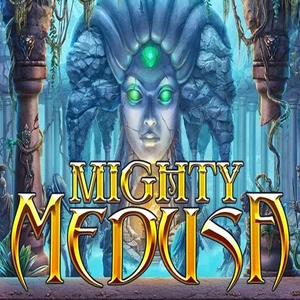
Mighty Medusa – RTP of 96.6%
Max. Win Ever: NZ$16,712
Habanero provided Mighty Medusa to Kiwis everywhere on the 26th of April in 2022, and has since won the hearts of players across the globe. This online pokie offers an RTP of 96.6% and features an Ancient Greek Mythology theme. Mighty Medusa can be played at Joo Casino for all Kiwis to enjoy.

Apollo Pays – RTP of 96.6%
Max. Win Ever: NZ$15,285
Big Time Gaming has done it again! Apollo Pays was released on the 23rd of February in 2022 and is a heavenly-themed title that combines Respins and Free Spins as its special features. This online pokie offers an RTP of 96.6% and extreme volatility. So far, the maximum win from this particular title is NZ$15,285. This pokie can be enjoyed by Kiwis all over the country at TonyBet Casino!
The Factors That Make The Highest Payout Pokies
Researching the factors that define high-payout pokies reveals a world of key elements that shape their allure. Considering all of these factors together will improve your odds of getting a big payout.
‘RTP’ and Its Affects On Pokies Payouts
In short, RTP, or Return to Player, is the odds of a pokie. It is a term used to describe the percentage of a bet, jackpot, or overall winnings that is returned to the player. For example, if an online pokie has an RTP of 96.1% and a player places a $100 bet, on average, the player will receive $96.10 back.
The percentage varies depending on the casino and the gaming title; however, the information is usually presented somewhere on the site for easy access. The final amount returned to the player also depends on the amount deposited initially into a game or online betting platform. The higher the RTP, the better and more returns a player will get back! We recommend playing pokies with an RTP of 94% or higher, as this will give you the most back!
Volatility and how it affects the payout potential
Volatility in online pokies or slot games refers to the level of risk involved.
High volatility means the game tends to pay out less frequently but with larger payouts. These games often have bigger jackpots or high-paying bonus rounds. However, you might experience longer periods without significant wins.
On the other hand, low-volatility games offer more frequent but smaller wins. They provide a steadier stream of smaller payouts, making them less risky for your bankroll but usually with lower maximum win potential.
Hit Rate or Hit Frequency
Hit rate is another factor to consider when playing high-payout pokies. It refers to how often a game pays out any winnings, regardless of their size.
In high-hit rate games, you’ll experience more frequent wins, even if they are smaller in size. This contrasts with lower-hit-rate games, where wins might be less frequent but tend to be larger when they occur.
A high hit rate can be attractive to players who prefer a more consistent stream of smaller wins, thereby enhancing a game’s overall appeal and potential payout.
Maximum Win Multiplier
The maximum win multiplier in pokies is like the ultimate boost for your winnings. It’s the highest factor your bet can be multiplied by, giving you the potential to score some serious cash. For example, if the game has a max win multiplier of x1000 and you bet a dollar, you could rake in a whopping $1000 if luck’s on your side. Just keep in mind that hitting that max multiplier often requires certain symbols or bonus rounds to line up just right.
Understanding Payout Rates in NZ Casinos
Payout rates, also known as Return to Player (RTP) percentages, indicate how much a casino game or online casino returns to players over time. Here’s a breakdown of what you need to know about payout rates in New Zealand casinos.
Ensure you’re playing at safe, regulated sites by reading our in-depth guide to NZ Casino Licensing.
1. What is RTP (Return to Player)?
- RTP is the percentage of total wagered money that a game returns to players over time.
- Example: A slot with 96% RTP means that for every $100 wagered, players can expect to get $96 back (on average).
- RTP is calculated over millions of spins or hands, so that short-term results can vary.
Want to find out which games truly offer the best return? Explore our detailed guide on the Highest RTP Online Pokies in New Zealand.
2. House Edge vs. Payout Rate
- The House Edge is the casino’s advantage over players.
- It is calculated as 100% – RTP.
- Example: A game with 96% RTP has a 4% house edge, meaning the casino keeps 4% of total bets.
3. How Payout Rates Affect Your Winnings
- Higher RTP = Better chances of winning in the long run.
- Games with the highest RTP include:
- Blackjack (99%+ RTP)
- Video Poker (98-99% RTP)
- Roulette (French) (97-98% RTP)
- Pokies/Slots (92-98% RTP)
4. How to Find the Best Payout Casinos in NZ
Check payout speed – Top casinos process withdrawals within 24-48 hours.
Look for casinos that display RTP percentages (some publish them for transparency).
Choose licensed casinos (MGA, UKGC, NZ Gambling Commission) that use certified software.
Stick to high-RTP games instead of low-payout pokies.
Strategies for Maximising Payouts in Online Pokies for Kiwi Players
For Kiwi players seeking the biggest payouts in online pokies, here’s what you might consider:
High Volatility Games:
Look for pokies marked as “high volatility” or “high variance.” These games tend to offer larger payouts, including potential for substantial jackpots. They might involve more extended periods without wins, but can pay out significantly when they do.
Progressive Jackpot Pokies:
Games with progressive jackpots can offer enormous payouts that keep increasing until someone wins. These can lead to life-changing sums of money for the lucky player who hits the jackpot.
Research RTP and Maximum Win Multiplier:
Check the Return to Player (RTP) percentage and the maximum win multiplier of the games you’re interested in. A higher RTP indicates better odds over time, and a higher maximum win multiplier implies bigger potential payouts.
Bonus Features and Free Spins:
Look for games with rewarding bonus features, free spins, or in-game multipliers. These can significantly boost your chances of landing bigger wins.
Conclusion
Understanding what RTP means and how it affects gameplay is a significant learning curve for all online casino players. Kiwis can now utilise the above information to locate high RTP pokies and potentially win big!
When you’re ready to play for real, explore our list of Real Money Pokies in New Zealand featuring trusted casinos and the most significant potential payouts.
Highest Payout Pokies FAQs
- Does a high RTP guarantee a win?
-
A high RTP indicates that a pokie or casino game returns a greater percentage of wagers to players over the long term, but it doesn’t ensure a win in any single session. RTP is a theoretical average calculated over millions of spins. Each spin is governed by a Random Number Generator (RNG), making outcomes completely random.
High-RTP pokies may offer better odds in the long run, yet factors like volatility, hit rate, and player strategy influence short-term results. In simple terms: high RTP improves your chances over time, not your luck on any given spin.
- How do you know the RTP of a pokie?
-
The RTP (Return to Player) of a pokie is typically listed in the game information, help, or paytable section. Most online casinos are required by licensing authorities such as the NZ Gambling Commission, MGA, or eCOGRA to display accurate RTP data for transparency.
Players can verify RTP in three main ways:
-
In-game details: Click the “i” or “?” icon in the slot interface to view the RTP percentage and volatility.
-
Casino website: Trusted New Zealand casinos list RTP rates in their game info or responsible gambling pages.
-
Developer websites or certifications: Game providers like NetEnt, Microgaming, and Playtech publish official RTP values verified by auditors like eCOGRA or iTech Labs.
While RTP helps players understand long-term payout potential, it doesn’t determine short-term wins each spin remains random and independently generated by an RNG (Random Number Generator)
-
- Are high payout pokies more difficult to win?
-
High payout pokies aren’t automatically more difficult to win, but they often feature higher volatility, which changes the win pattern.
-
High volatility = bigger wins, less often. These games can feel harder to win because payouts come in larger, less frequent bursts.
-
Low volatility = smaller, steady wins. Easier for consistent play but with lower jackpots.
-
RTP (Return to Player) measures long-term payout potential, not win frequency. A high RTP improves average returns over time but doesn’t influence short-term luck.
So, while high payout pokies can seem tougher due to longer dry spells, they actually offer better long-term value. Smart players balance RTP and volatility, choosing games that fit their bankroll and play style.
-
- Do high payout pokies require larger bets?
-
Not always. High payout pokies don’t necessarily require larger bets. While some high-RTP or jackpot games set higher minimum wagers to unlock full features or top prizes, many let you bet smaller amounts and still qualify for payouts. Bet size mainly affects potential winnings not your odds of hitting a win.
- Are high payout pokies more expensive to play?
-
High payout pokies are not inherently more expensive to play. The payout rate (RTP) reflects how much the game returns to players over time, not the size of the bets required. Most pokies whether high or low RTP let players adjust their bet size, coin value, or paylines according to their budget.
However, certain progressive jackpot pokies or feature-heavy titles may require a minimum bet to unlock jackpots or special features. In those cases, larger wagers can increase the potential payout but don’t alter the game’s RTP percentage.
Key takeaway:
-
High RTP = better long-term return, not higher betting cost.
-
Bet size only influences how much you win or lose per spin.
-
Always check the game’s paytable to see if a minimum wager applies for bonuses or jackpots.
This approach ensures responsible play allowing Kiwi players to enjoy high payout pokies that match their comfort level and budget while maximizing potential returns.
-